Discover the key differences between Turkish and Moroccan baths, their unique rituals, and benefits to choose the perfect spa experience for your wellness needs.
Understanding the Turkish Bath vs Moroccan Bath Comparison
When deciding between a Turkish bath vs Moroccan bath, it's essential to understand the unique characteristics and traditions that set them apart. Both are ancient body cleansing rituals originating from Islamic cultures but differ in their environment, process, and benefits. This comparison provides clarity for your next spa day, helping you select the ideal experience to meet your relaxation and wellness goals.
- Origins rooted in Islamic culture but diverging by geography and customs
- Central focus on cleansing, relaxation, and spiritual renewal
- Differences in steam, scrubbing techniques, and massage styles
Traditional Ottoman Bath Services
Historical and Cultural Roots of Turkish and Moroccan Baths
The Turkish bath, or hammam, dates back to the Roman empire but flourished within Ottoman culture as a communal and spiritual cleansing ritual. In contrast, the Moroccan bath, known as "hammam beldi," combines Berber traditions with Islamic influences reflecting Morocco’s distinctive spa culture.
Both baths promote community wellness and personal hygiene, but their settings and procedures reflect their rich cultural heritages.
- Turkish hammams emphasize architectural grandeur and ritual sequence
- Moroccan baths are typically more rustic, focusing on natural products and communal bathing
- Spa culture in both regions values purification and relaxation
Key Hammam Differences: Environment and Structure
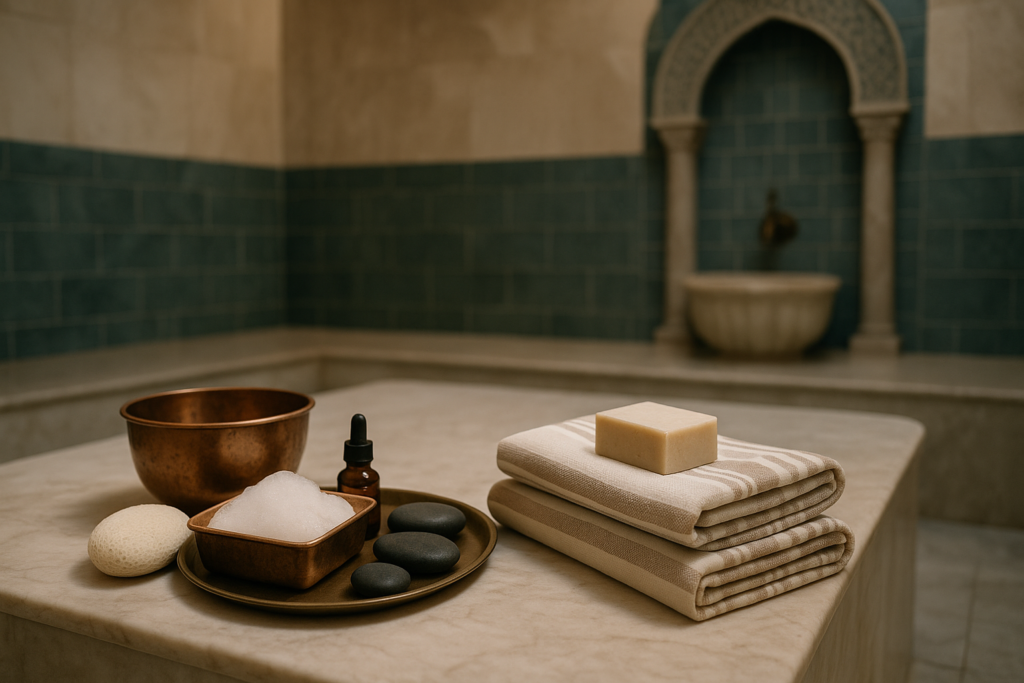
A major point in the Turkish bath vs Moroccan bath debate is the environment. Turkish baths feature a series of specially designed heated rooms with marble platforms for lying down during treatments. Moroccan baths tend to be simpler spaces with mosaic-tiled walls and a communal hot steam room where the bathing process unfolds.
- Turkish baths often include a hot room, warm room, and cool down area
- Moroccan baths provide a large steam room and scrubbing area
- Temperature and humidity levels vary, affecting the therapeutic experience
The Body Cleansing Rituals Explained
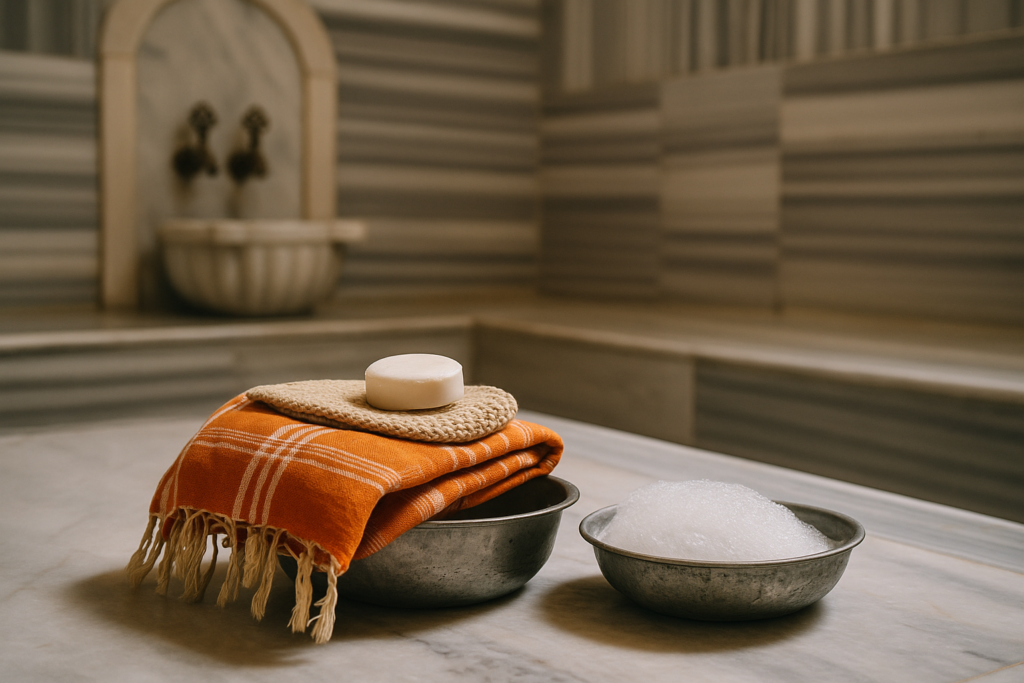
Both baths use steam to open pores but differ significantly in scrubbing and exfoliation. The Turkish bath employs a kese glove to vigorously exfoliate dead skin, followed by a foam massage using scented soaps. Moroccan baths utilize black soap made from olives, which is applied for a gentle exfoliation with a ghassoul clay mask often included to detoxify the skin.
- Turkish hammam pros include a thorough physical scrub and luxurious foam massage
- Moroccan bath benefits feature natural ingredients and deep detoxification
- Both rituals leave skin smooth and rejuvenated
Health and Wellness Benefits of Moroccan Bath
The Moroccan bath benefits extend beyond skin cleansing to improving circulation, relieving muscle tension, and detoxifying the body. The use of natural black soap and rhassoul clay is gentle yet effective for sensitive skin types. This spa treatment is ideal for those seeking a holistic and organic spa experience.
- Enhances skin hydration and elasticity
- Promotes relaxation and stress reduction
- Suitable for delicate or dry skin
Pros and Cons of Turkish Spa Treatments
Turkish baths are well-known for their invigorating deep scrubs and rich foam massages, offering a luxurious and thorough spa experience. However, the vigorous exfoliation may be too intense for people with sensitive skin or certain medical conditions. Understanding these turkish spa pros cons helps you decide if this traditional treatment fits your needs.
- Pros: intense exfoliation, improved circulation, ornate environment
- Cons: may irritate sensitive skin, lengthier sessions required
- Popular among visitors seeking authentic Ottoman-style relaxation
7 Benefits of Traditional Turkish Hammam
Integrating Spa Culture Into Your Wellness Routine
Both Turkish and Moroccan baths offer more than physical cleansing — they provide spiritual and mental rejuvenation embedded in centuries-old traditions. Engaging with such spa culture fosters mindfulness and encourages self-care, pairing well with modern wellness practices for holistic health.
- Encourages periodic detoxification and relaxation
- Connects users with cultural heritage and tradition
- Supports mental calmness alongside physical well-being
Fatih Bath Services: Experience Authentic Hammam Traditions
For those located in Istanbul, Fatih bath services provide authentic Turkish and Moroccan spa experiences. These baths maintain traditional methods including hot steam rooms, kese scrubs, and natural soap treatments, ensuring an immersive and genuine hammam experience that balances cleanliness and cultural immersion.
- Traditional Ottoman baths with modern hygiene standards
- Moroccan bath options using natural local ingredients
- Professional therapists experienced in cultural body rituals
Making the Choice: Which Bath Suits Your Spa Day Best?
Choosing between a Turkish bath vs Moroccan bath ultimately depends on your personal preferences, skin type, and wellness goals. If you desire a vigorous exfoliation with a luxurious ambiance, a Turkish bath may suit you well. For a gentler, natural detox focusing on skin nourishment, the Moroccan bath is an excellent choice. Consider also your comfort with the environment and the length of the ritual when making your decision.
- Assess skin sensitivity before selecting treatment
- Consider desired intensity of exfoliation and massage
- Factor in cultural experience you wish to immerse in
Frequently Asked Questions
What is the main difference between Turkish and Moroccan baths?
The primary difference lies in their cleansing rituals and environmental settings, with Turkish baths being more structured and Moroccan baths using natural ingredients like black soap.
Which bath is better for sensitive skin?
The Moroccan bath is generally gentler and better suited for sensitive skin due to its use of natural products and softer exfoliation.
Do both baths use steam in their rituals?
Yes, both Turkish and Moroccan baths utilize steam to open pores and aid in cleansing the skin.
Are massages included in both Turkish and Moroccan baths?
Massages are common in Turkish baths, especially foam massages, while Moroccan baths may focus more on scrubbing and applying natural masks but can include massage.
Can I find authentic Turkish and Moroccan baths in Fatih, Istanbul?
Yes, Fatih offers traditional hammam services delivering authentic Turkish and Moroccan bath experiences.
How often should one visit a hammam bath for health benefits?
Visiting a hammam once a month is generally recommended for optimal skin cleansing and relaxation benefits.